

Introduction
Curious about whether the Amish use Polywood in their renowned furniture? This question sparks debate due to the Amish's traditional reputation and the modern rise of POLYWOOD, a brand name often confused with the generic term "poly lumber", poly wood or high-density polyethylene (HDPE) plastic. Let’s dive into the facts, exploring Amish material sources, craftsmanship, and the role of sustainable options like Polywood and poly lumber.
What Is Polywood and Poly Lumber?
POLYWOOD® is a specific brand of furniture made from recycled HDPE plastic, mimicking wood's look and feel while offering durability against weather and insects. However, "polywood" or "poly lumber" broadly refers to HDPE plastic lumber from various suppliers, including Tangent Materials, known for its high-quality, color-throughout construction. This material, often made from recycled milk jugs, resists fading, rot, and maintenance, making it ideal for outdoor use.
Amish Craftsmanship and Material Sources
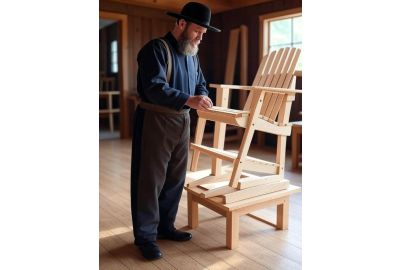
The Amish, famed for handcrafted furniture, traditionally use hardwoods like oak and cherry. However, economic demands and customer preferences have led some Amish communities—especially in Ohio, Indiana, and Pennsylvania—to adopt poly lumber. Tangent Materials and other suppliers provide premium HDPE, certified with at least 95% recycled content, ensuring consistency and durability. Amish workshops blend traditional mortise-and-tenon joinery with this modern material, maintaining their craftsmanship ethos.
Do the Amish Use Polywood?
In short, the answer is NO. POLYWOOD® specifically, as it’s a brand, is actually made by POLYWOOD and they use their own lumber for their furniture. A 2022 survey from an Indiana Amish market showed 40% of shops offer poly options, rising to 70% in tourist-heavy areas. This shift reflects a practical adaptation—poly lumber lasts decades and requires no upkeep, aligning with Amish values of durability. However, opinions vary; some purists stick to wood, while others see poly as a sustainable evolution.
Scientific Insights on HDPE Plastic
HDPE’s density (0.93–0.97 g/cm³) and UV-stabilized pigments ensure color consistency and weather resistance. Studies show HDPE furniture can withstand 50+ years of exposure, outperforming wood in rot resistance (per ASTM D2565 tests). Its recyclability—reusing 99% of manufacturing scraps—also reduces landfill waste by thousands of tons annually, supporting eco-conscious Amish principles.
Benefits of Poly Lumber in Amish Furniture
-
Durability: Resists sun, rain, and snow without warping or splintering.
-
Sustainability: Made from 90%+ recycled materials, diverting plastic from landfills.
-
Low Maintenance: Cleanable with soap and water, eliminating yearly refinishing.
-
Aesthetics: Color runs throughout, avoiding paint, with options mimicking teak or mahogany.
Challenges and Considerations
Some argue poly lumber deviates from Amish tradition, relying on modern manufacturing. Quality varies—low-end HDPE may flex more than premium Tangent PolyTuf. Buyers should verify Amish-made claims, as mass-produced items can be mislabeled or cheaply made in China. Authentic pieces use handcrafting with stainless steel hardware and aluminum bracing.
Conclusion
The Amish use poly lumber, including materials akin to POLYWOOD®, adapting to market needs while preserving craftsmanship. Whether wood or poly, their focus remains on quality and longevity. For eco-friendly, durable outdoor furniture, Amish poly options are worth exploring—check with certified workshops to ensure authenticity.
Call to Action
Ready to invest in Amish-crafted furniture? Visit our store for a range of poly lumber options, handcrafted with care. Contact us for inquiries and start transforming your outdoor space today!


